_edited.jpg)


कालबेलिया कला || Kalbeliya Kala

What is Kalbeliya Kala?
An immersive triptych experience celebrating the multifaceted artistry of the Kalbeliya community, their dance and music, stories, and crafts.
Through
-
Conversation with Kalbeliya pioneer, Suwa Devi
-
Exhibition of handmade textiles and beaded jewellery
-
Performance of Kalbeliya music and dance repertoire

About the Kalbeliya Community
The Kalbeliyas are a historically nomadic group now based in Rajasthan. Known for their adaptability, they offered music, crafts, medicines, and snake-catching. In the 1980s, Kalbeliya women created a stage dance that became a symbol of their identity and entry into tourism and creative industries.
Why they matter
-
Developed genius survival systems: upcycled textiles, layered dress, and flexible housing.
-
Sustained resilient inter-community ecosystems across the region.
-
Their oral traditions, music, movement, and motifs are living archives of the desert.
Suwa Devi is a pioneering dancer, influential leader, and cultural ambassador of the Kalbeliya community.
Suwa gained global attention at 12–13 through her iconic Pushkar performance in the French documentary Latcho Drom.
But Suwa is more than a performer.
-
She is a craftswoman, maker of intricate beaded ornaments and upcycled textiles.
-
She is a community leader, she founded the Kalbeliya village Dhola near Jodhpur, lobbying tirelessly for roads and electricity.
-
She is a custodian of hereditary practices, she also shaped modern Kalbeliya dance—blending heritage with poise, power, and stage presence.


TRIPTYCH FORMAT

Conversation
A candid dialogue with Suwa Devi about the community’s shift from nomadic to settled life, the role of gender in labor and artistry, and the evolving nature of Kalbeliya performance.
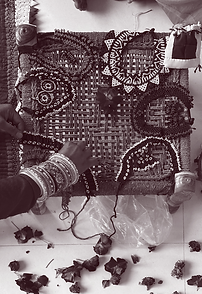
Exhibition
Curated works by Suwa and her family: beaded jewelry, textiles, gudris, and repurposed artefacts—testaments to desert-born survival, ingenuity, and beauty.

Performance
A glimpse into the intimate Kalbeliya repertoire—hereditary dance and music rooted in communal practices, reclaiming its essence beyond spectacle.

The importance of this project
Kalbeliya culture is at a crossroads —
From being celebrated on global stages to being eroded at home.
Kalbeliya Kala is a counter-archive, offering
-
A gendered lens on craft and performance
-
A self-narrated history of nomadic resilience
-
A celebration of autonomous aesthetic traditions
-
A resistance to extractive, exoticizing portrayals